
 Myrna Whitaker
 Nils Lund
 Anna Broberg
 Lo Elmqvist


Smarter flows to strengthen Arlanda’s competitiveness
17/11/2026, 14:27
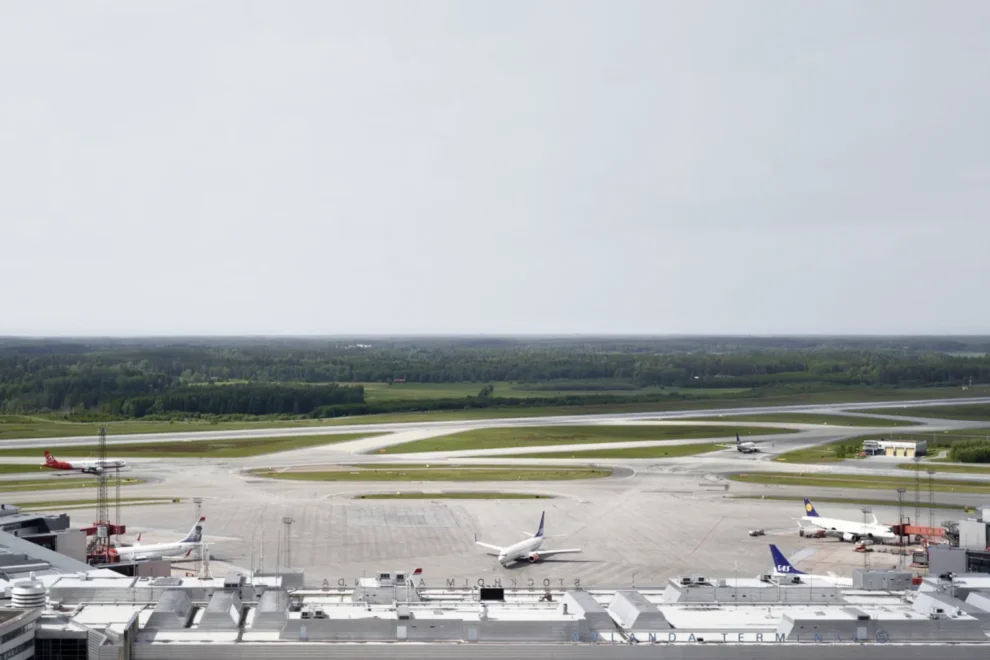
Arlanda will keep growing. Swedavia has set aside its plans for a new pier and is instead focusing on improving things for passengers and airlines, with smarter use of existing capacity, new aircraft stands, connected systems and faster border control.
The number of international passengers continues to rise, especially at Arlanda. That makes the airport’s development a priority for Swedavia, which operates ten airports in Sweden.
– Arlanda is the hub of Sweden’s transport infrastructure. The importance of aviation for Sweden’s competitiveness cannot be overstated. That’s why the development of Arlanda has to be at the top of the agenda, says Ali Sadeghi, Head of Facilities and Systems at Swedavia.
The plans for “Pier G”, an investment of around 15 billion Swedish kronor, date back to a development program from 2015, when growth looked very different. Since then, the pandemic has changed both travel patterns and passenger behavior. Fewer people fly domestically, and more and more check in on their phones and handle more of the journey themselves. This summer, Swedavia even tested letting passengers drop off their luggage at the Arlanda Express train.
– When you make investments worth billions, it’s always important to carry out different kinds of analyses and forecasts before making a final decision. Here, it was at least as important. Based on passenger growth and travel patterns, concluding that a new pier is not the solution was the right answer.
Within three to four months, a new development plan for Arlanda is set to be completed. It covers areas such as check-in, baggage capacity, operational reliability and access to the airport by bus, taxi and private car.
– I think a lot of it comes down to using the capacity that already exists at Arlanda. That could mean, for example, greater use of Terminal 2 and a better balance between Terminals 2 and 5, says Ali Sadeghi.
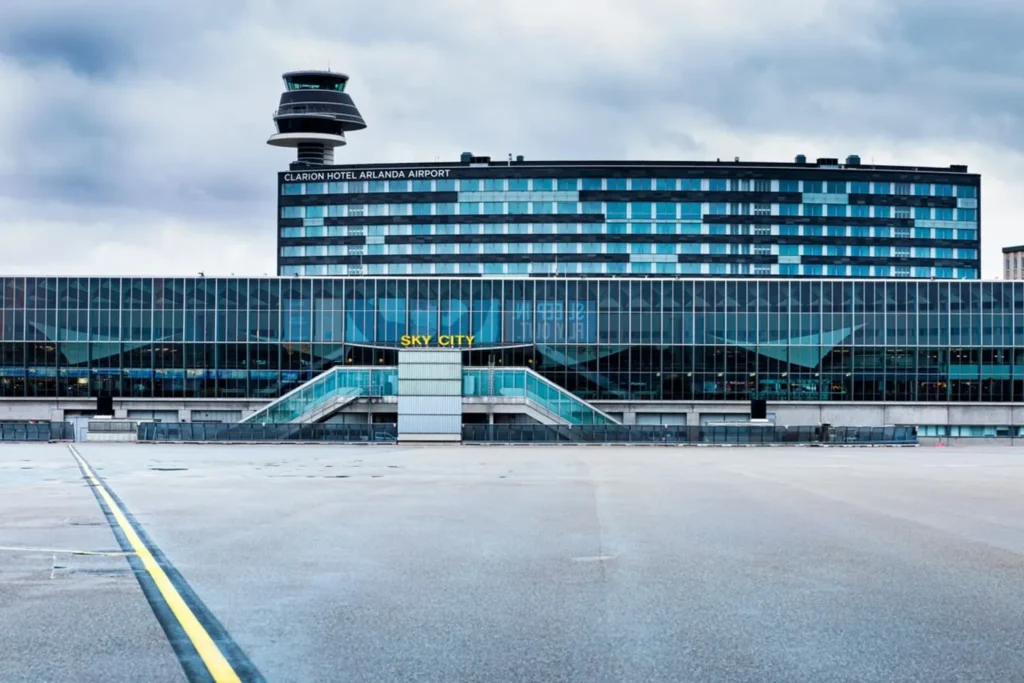
A new marketplace and security checkpoint are already in operation, and in early December, a rebuilt area in front of SkyCity, with two renovated piers and new jet bridges, will be inaugurated. The next phase, between the old Terminal 4 and Terminal 2, is expected to begin in the second quarter of 2027.
– This summer, Arlanda was found to be the most punctual airport in Europe. We intend to maintain that and make it a cornerstone of what we offer.
One of the most congested parts of Arlanda is border control, which is handled by the Swedish Police Authority. Swedavia has expanded the queuing areas but wants to improve the flow further, including through more automated passport gates.
– The Police Authority’s mission is to protect Sweden’s external border, not primarily to keep queues short. That’s our responsibility. So we are in dialogue with them about how we can help speed up the digitalization of border control, says Ali Sadeghi.
Swedavia likes to compare itself with the other Nordic airports, which are both competitors and partners. Inspiration has come from Copenhagen, among others, which shares open data with ground handling companies and airlines. With Helsinki, Swedavia has compared the flows through security, since both airports use the same type of equipment.
– The idea is that within a year, we’ll be able to follow most of our operational processes on our phones, such as the baggage process.
At the same time, the demands on resilience are increasing. Airports are part of Sweden’s civil defense and must be able to maintain operations and redundancy even in a heightened state of alert.
– Our ten airports are an important part of Sweden’s total defense. The demands are increasing given the state of the world around us. It’s not that far away from us, says Ali Sadeghi and continues:
– Even in a state of heightened alert, Sweden has to keep moving. That applies to roads, shipping and rail, but not least to aviation.
Arlanda currently has around 250 escalators, moving walkways and elevators. Within a year, Swedavia plans to have all of them connected and remotely monitored, so that any stoppage shows up immediately on a phone. The next step is to work predictively with AI solutions that show when equipment needs maintenance, for example.
– Getting around inside the airport is an incredibly important part of the passenger experience, says Ali Sadeghi and concludes:
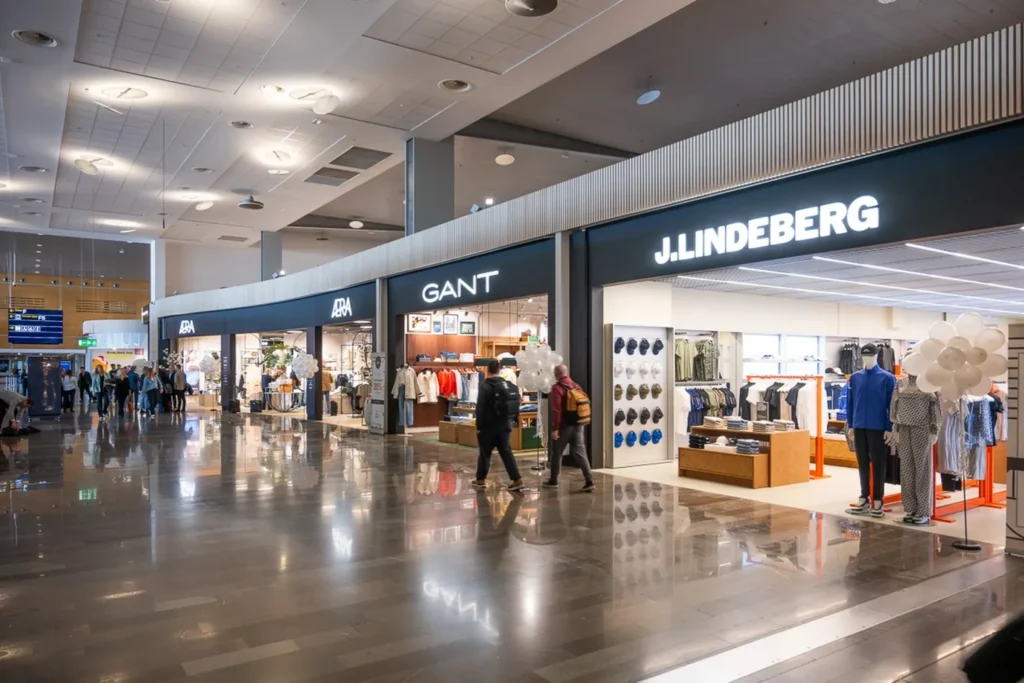
– We will continue to be a punctual airport that is easy to get to and from. When you’re at the airport, you should feel that you’re in a relaxing environment where you can get something good to eat and drink, and hopefully even do some shopping.