
 Myrna Whitaker
  Nils Lund
  Anna Broberg
  Lo Elmqvist


Researchers crack carbon-storing concrete puzzle
28/05/2026, 17:42
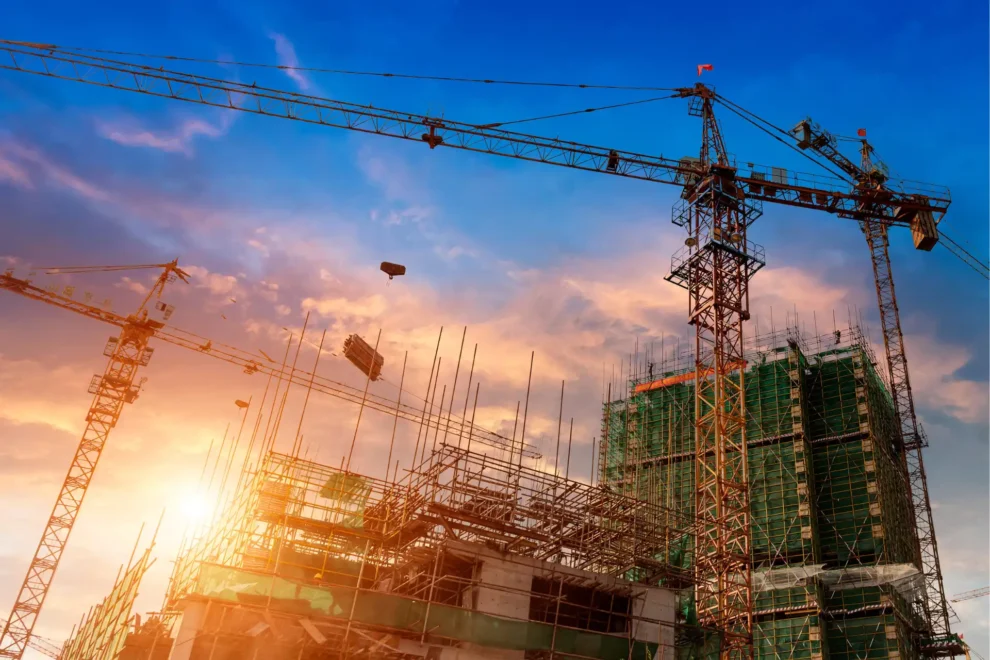
A Danish research project has confirmed that biochar can replace high-carbon materials in lightweight concrete. If widely adopted, the technology could cut construction emissions by up to 35,000 tonnes a year.
Danish research project Charbuild has shown that biochar can replace materials in lightweight concrete without compromising strength or durability. The finding could significantly cut the construction sector’s carbon footprint.
Construction accounts for around ten percent of Denmark’s total CO2 emissions, equivalent to roughly 6.3 million tonnes a year. If biochar is widely adopted in Danish wall element production, earlier calculations suggest annual reductions of up to 35,000 tonnes of CO2.
Biochar is produced by heating biomass in a low-oxygen environment, binding carbon in a stable form. When mixed into concrete, the carbon is permanently stored in the structure while replacing materials with a higher carbon footprint.
– We already knew about biochar’s CO2-reducing properties. The question was whether a concrete element would be just as strong and durable with biochar mixed in. Now we have the results, and they are really positive, says Nina Marie Sigvardsen, project manager at Teknologisk Institut.
The project is a collaboration between Teknologisk Institut, Leth Beton and Stiesdal SkyClean. Results are now being taken forward in a follow-up project called Charblock, which will examine whether biochar can also replace lightweight aggregate in lightweight concrete blocks.