
 Myrna Whitaker
  Nils Lund
  Anna Broberg
  Lo Elmqvist


Alarming failure rate in safety helmets
24/09/2026, 15:32
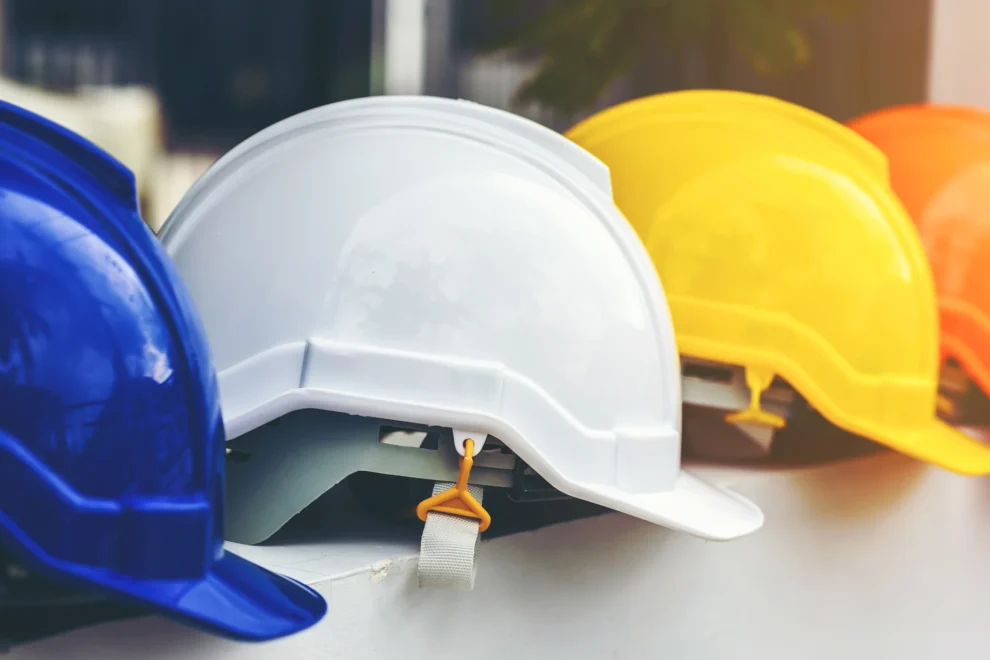
One in three safety helmets tested in a Europe-wide inspection failed, and the most common flaw was the most critical one. Many helmets could not adequately absorb impact.
Almost a third of occupational safety helmets tested in a joint European market inspection failed to meet basic safety requirements. The most common deficiency was an inability to adequately absorb impact — the very thing a helmet is designed to do.
Of 65 helmets tested, 19 — or 29 percent — were found to be non-compliant. The helmets were collected across eight European countries and purchased both online and in physical stores.
Eight of the identified deficiencies were classified as serious risk and four as high risk. Six products have been withdrawn from the market and two have been recalled from users.
“A safety helmet is supposed to protect the worker when something actually happens. The fact that nearly one in three tested helmets had deficiencies shows why market inspections matter,” says AnnSofie Kero, specialist at the Swedish Work Environment Authority.
The authority is urging employers to verify that helmets are CE-marked and suited to the specific risks present at the workplace. A helmet that has been subjected to a heavy impact should be discarded, even if there is no visible damage.
“The price or appearance of a helmet says nothing about whether it provides the right protection. Employers need to make sure the helmet is intended for occupational use and offers the right level of protection for the risks involved,” says Kero.