
 Myrna Whitaker
  Nils Lund
  Anna Broberg
  Lo Elmqvist


Riyadh rooftops could cover 40% of power demand
8/12/2025, 16:02
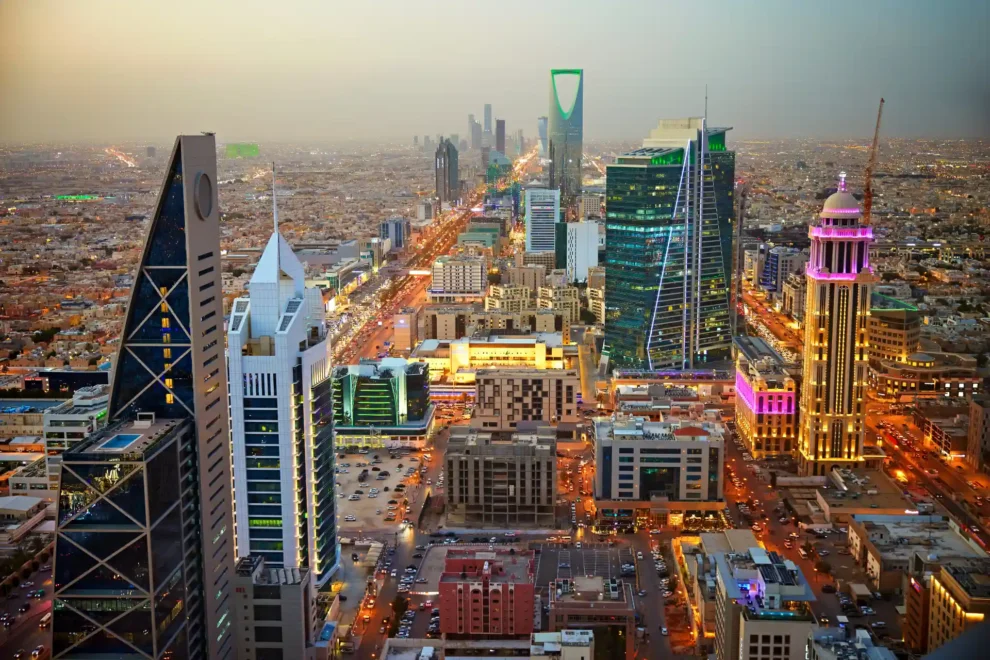
Saudi Arabia's capital could generate 17,500 GWh annually from rooftop solar installations, covering over 40% of Riyadh's electricity consumption, new research shows.
Riyadh could generate 17,500 gigawatt hours of electricity annually from rooftop solar installations, covering 40.7% of the city’s consumption, according to new research.
Knight Frank, University of Leeds, and University of Bristol identified 158 square kilometers of suitable rooftop space across the Saudi capital using geospatial modeling. Abu Dhabi has 42.8 square kilometers of viable rooftop area.
The findings suggest urban solar installations offer a commercially attractive alternative to desert solar farms.
Wesley Thomson, Knight Frank’s MENA ESG head, said the economics are compelling. “Rooftop photovoltaic systems in Riyadh now offer a payback period of just 7-11 years,” he said.
Industrial and logistics properties are particularly attractive, with larger installations achieving payback in seven years.
The opportunity aligns with Saudi Arabia’s target of 50% renewable energy by 2030 and net zero by 2060.
Researchers assessed 870,000 buildings in Riyadh. Large buildings with over 1,000 square meters of usable space account for 26% of the city’s total roof area.