
 Myrna Whitaker
  Nils Lund
  Anna Broberg
  Lo Elmqvist


Construction industry largest sector for EU Immigrants
3/12/2025, 14:52
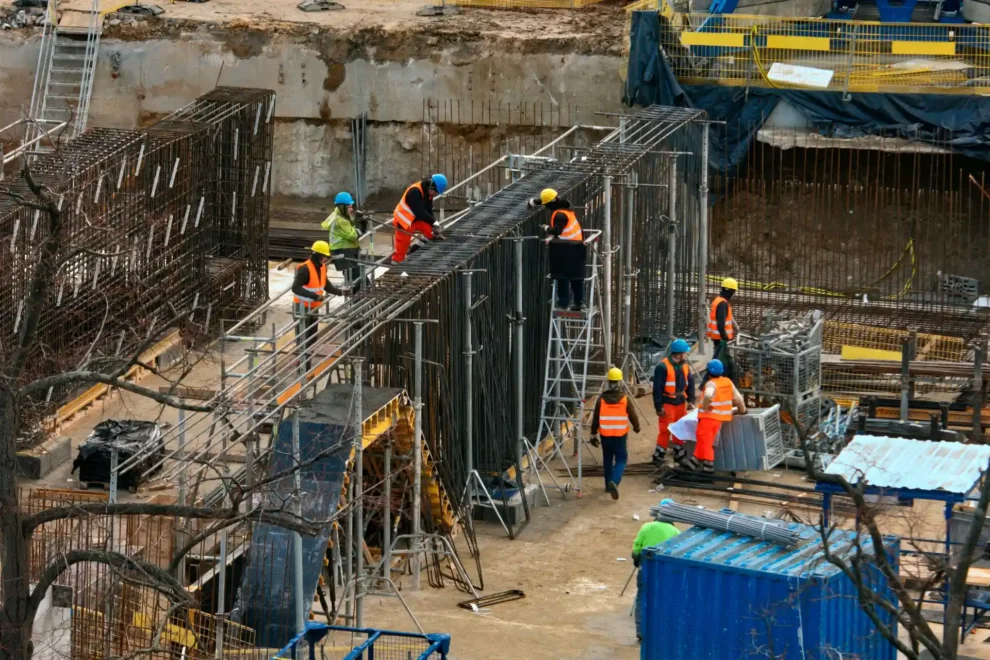
Nearly one in five EU/EEA migrants employed in Sweden work in the construction sector, where Polish nationals dominate the workforce, new statistics reveal.
Of the approximately 24,000 people who moved to Sweden from the EU/EEA in 2022, 83 percent remained the following year. Three-quarters of them were employed at that point, with a higher employment rate among men than women.
Among those employed, a full 18 percent worked in the construction industry, where men account for 93 percent of the workforce. Poland was the most common country of citizenship in the sector.
Immigration from the EU/EEA increased sharply after the 2004 enlargement and peaked in 2007. Following a decline during the pandemic, levels have returned to those of the mid-2000s, but dropped slightly in 2023.
Poland was the most common country of origin in 2023, followed by Germany and Romania. Migrants from Poland and Romania were predominantly male, while the gender distribution was more balanced among German citizens.
“Most couples came from Germany,” says Freja Sahrblom, labor market statistician at Statistics Sweden.
Of the 22,800 people of working age who registered in Sweden in 2023, 58 percent were men. The median age was 32 for women and 34 for men. One-fifth moved to Sweden together as couples.